05 Nov Fridges Heating Up to 50°C: What the Supermarket Cyberattacks Teach Us About OT Security
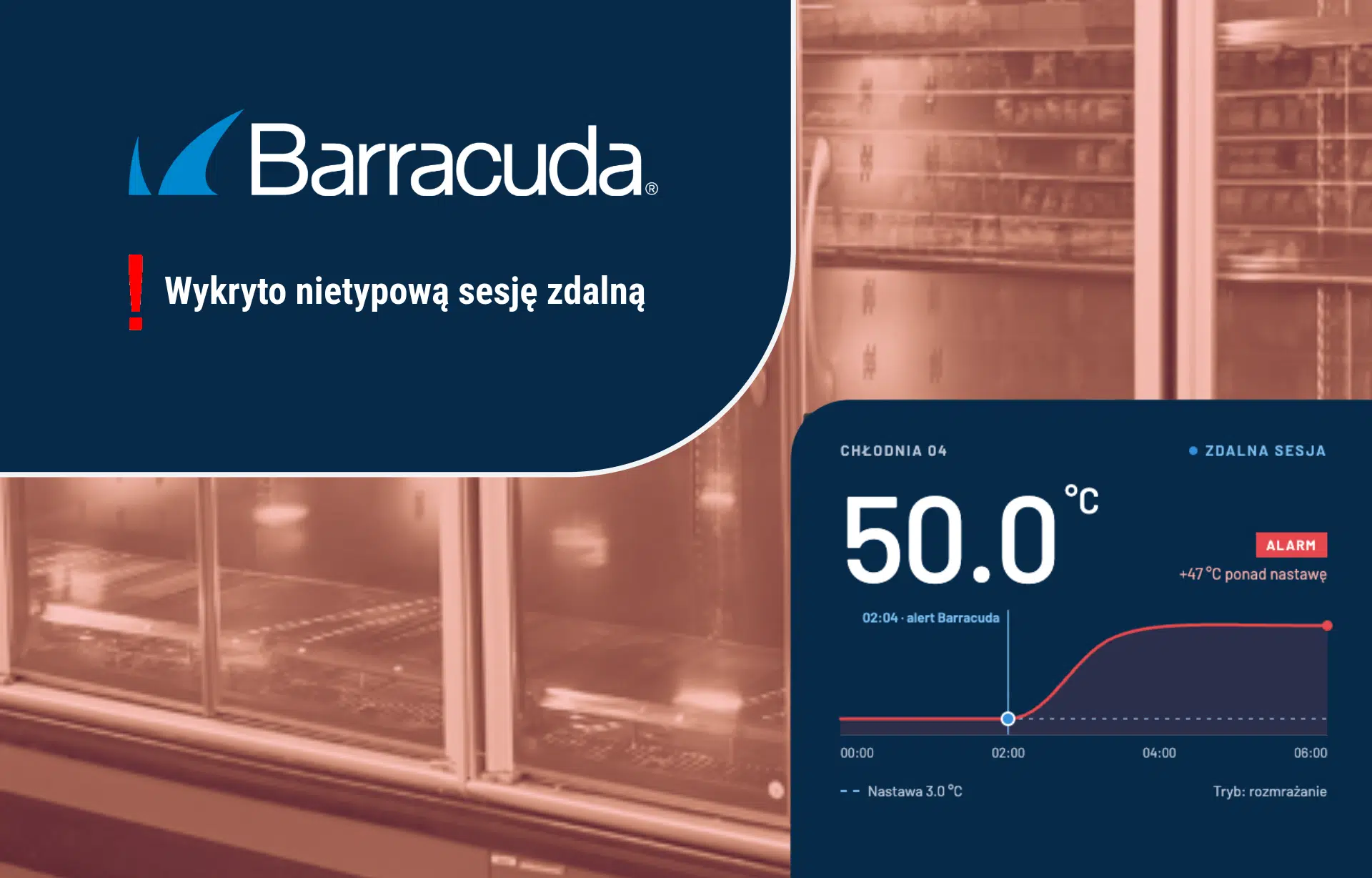
A cyberattack doesn’t always involve stolen data or encrypted computers. In October 2026, cybercriminals targeted refrigeration systems in hundreds of French supermarkets. Three weeks later, similar incidents were reported in other European countries. In some stores in Sweden and Estonia, refrigeration temperatures rose as high as 50°C. These incidents highlight why operational technology (OT) security is no longer a concern limited to industrial environments.
When Refrigerators Start Heating Instead of Cooling
On the night of October 11–12, 2026, attackers remotely changed the settings of refrigeration management systems in hundreds of stores across France. Media reports vary, citing between more than 150 and approximately 700 affected locations, including stores operated by several major retail chains.
The attackers forced refrigeration units into defrost mode. The resulting disruption meant that stores had to dispose of temperature-sensitive food products. The consequences went beyond spoiled goods, leaving empty shelves and disrupting daily store operations.
The exact method used to gain initial access has not been conclusively established. However, the attackers exploited remote management capabilities to manipulate the refrigeration systems.
The Threat Is No Longer Limited to France
In the following weeks, media outlets reported similar incidents in Belgium and the Netherlands. In early November, attacks also affected supermarkets in other European countries, including Sweden and Estonia, where refrigeration temperatures reportedly reached 50°C.
A common factor in many of these incidents was the use of remotely managed refrigeration control systems operated or maintained by external service providers. Similar technologies are used in retail stores, warehouses and cold storage facilities across Poland.
OT and IoT Security: Do You Really Know What’s Connected to Your Network?
Refrigeration systems, air conditioning, building automation and industrial equipment are increasingly connected to networks and managed remotely. These systems form part of operational technology (OT) environments, where cybersecurity weaknesses can directly affect physical processes.
The greatest risks arise when organizations lack complete visibility into connected devices, their configurations and access methods. Connections used by third-party vendors and maintenance providers deserve particular attention.
The key question is: Who can remotely access the devices in your infrastructure today and change their settings?
How to Reduce the Risk: Barracuda’s Recommendations and Solutions
In its analysis of the incidents, Barracuda Networks highlights five key areas organizations should address. Most of these can be supported by solutions from the Barracuda portfolio.
| Security Area | Recommended Action | How Barracuda Can Help |
|---|---|---|
| Infrastructure Visibility | Identify IT, OT and IoT devices and understand their role in business operations. | CloudGen Firewall helps control network communications, while Managed XDR analyzes security events from supported data sources. Complete OT/IoT asset discovery may require additional tools. |
| Secure Remote Access | Restrict access to management interfaces and control user and third-party permissions. | Barracuda SecureEdge: secure access based on Zero Trust principles. |
| Network Segmentation | Isolate critical systems and limit unnecessary network communications. | Barracuda CloudGen Firewall: network segmentation and traffic control policies. |
| Threat Monitoring | Detect unusual activity and unauthorized access attempts. | Barracuda Managed XDR: threat monitoring, analysis and response supported by SOC services. |
| Independent Alerting | Monitor physical parameters, such as temperature, independently of the main control system. | Beyond traditional IT security: independent sensors and alerting systems. |
These solutions form part of a multi-layered security strategy. They do not replace industrial safety controls or independent monitoring of physical processes. Selecting the right solutions for a specific OT environment requires a careful assessment of its architecture.
These solutions form part of a multi-layered security strategy. They do not replace industrial safety controls or independent monitoring of physical processes. Selecting the right solutions for a specific OT environment requires a careful assessment of its architecture.
Cybersecurity Is Also About Business Continuity
The incidents in France demonstrate how a single unauthorized configuration change can disrupt operations across an entire facility. That is why cybersecurity must extend beyond traditional IT infrastructure to include OT and IoT devices, as well as all remote access pathways.
Regulatory requirements also play an important role. The NIS2 Directive, implemented in Poland through amendments to the National Cybersecurity System Act (KSC), covers certain businesses involved in food production, processing and wholesale distribution. For organizations within its scope, protecting technical infrastructure and ensuring business continuity are important elements of cybersecurity risk management.
Protecting a system is not enough. You also need to know what happens when its security controls fail.
For Partners: Which Customers Should You Be Talking To?
These incidents provide a compelling reason to start conversations with customers who rely on remotely managed technical systems. This is particularly relevant for:
- Retail chains and grocery stores
- Logistics centers and warehouses with cold storage facilities
- Food production and processing plants
- Facilities with extensive building automation systems, such as hospitals, office buildings and hotels
A good starting point is to ask customers three questions: What OT and IoT devices are connected to their network? Who has remote access to them? And are these devices segmented from the rest of the infrastructure?
The answers can help identify potential security gaps, areas requiring further assessment and opportunities for new cybersecurity projects.
Secure Your Customers’ Infrastructure with Kappa Data
Do you have customers using remotely managed refrigeration systems, building automation or other OT/IoT devices?
Now is a good time to discuss the security of their infrastructure. The Kappa Data team can help you assess network architecture, segmentation options, access controls and threat monitoring capabilities using Barracuda Networks solutions.
Book a free consultation with our presales team. Depending on your customer’s needs, the next step could be a solution demonstration or Proof of Concept (PoC).
Sources:
- Christine Barry, What managed service providers can learn from the 2026 French supermarket attacks, Barracuda Networks Blog, October 30, 2026.
- Euronews, reports on cyberattacks targeting refrigeration systems in European supermarkets, November 3, 2026.
- Barracuda Networks product documentation: CloudGen Firewall, SecureEdge and Managed XDR.